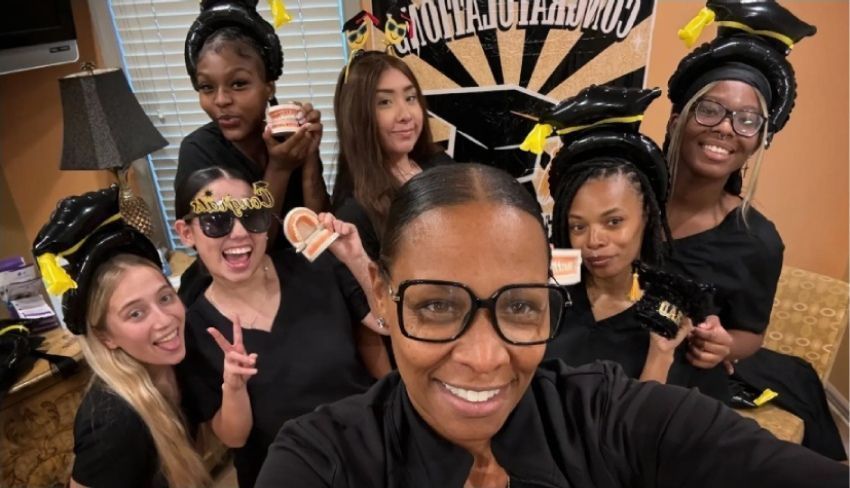
Dental Assistant Training Course in St. George: What You'll Learn, How It Works, and What Comes Next
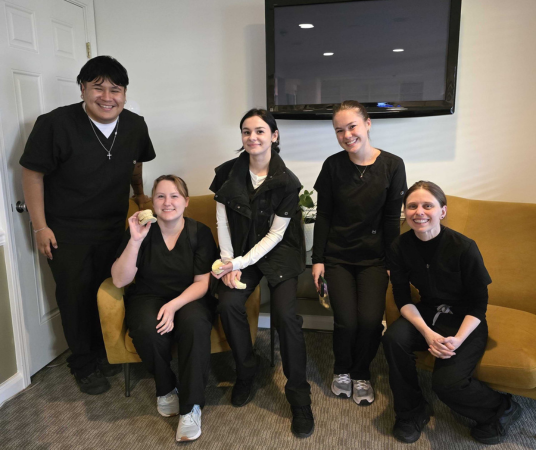
What actually happens inside a dental assistant training course? Not the marketing version — the real day-to-day of what you’ll learn, how you’ll practice, and what you should be able to do by the time you finish.
This post walks through the curriculum at St. George Dental Assistant School in St. George so you know exactly what to expect before you enroll.
Section 1: What a dental assistant training course covers
A well-structured program teaches both clinical and administrative skills. Here’s what you can typically expect:
Clinical skills:
- Chairside assisting during various procedures
- Infection control, sterilization, and OSHA safety standards
- Taking and processing dental X-rays
- Preparing tray setups for different procedures
- Handling dental materials (impressions, cements, composites)
Administrative and communication skills:
- Patient intake and recordkeeping
- Dental terminology and charting
- Scheduling and front-office workflow
- Professional communication with patients and team members
The curriculum is designed so that each skill builds on the last, giving you a structured learning path rather than a random collection of topics.
Section 2: Hands-on practice — why it matters
Reading about sterilization is one thing. Actually autoclaving instruments, setting up treatment rooms, and assisting during a simulated procedure is another.
The strongest dental assistant training courses make hands-on practice a core part of the experience — not an afterthought. At St. George Dental Assistant School, supervised practice is integrated throughout the program so you can:
- Build muscle memory with instruments and materials
- Practice patient communication in realistic scenarios
- Get feedback from experienced instructors
- Develop the confidence to perform in a real dental office
Section 3: How long does the training take?
Program length varies, but most dental assistant training courses are designed to be completed in a matter of months. That’s significantly shorter than dental hygienist programs, which typically require 2–4 years.
The shorter timeline makes dental assisting an attractive option for people who want to enter healthcare quickly — whether you’re switching careers, re-entering the workforce, or starting out for the first time.
Explore the structure of our program: Program details.
Section 4: What happens after training?
Completing a dental assistant training course is the starting point. Here’s what typically comes next:
- Externship or clinical experience — many programs include real-world practice in a dental office
- Job search — applying for entry-level dental assistant jobs in St. George
- Career growth — with experience, you can specialize, move into lead roles, or pursue further education (including dental hygienist programs down the road)
St. George Dental Assistant School supports students through this process with career readiness resources and guidance.
Section 5: How to choose the right training course
Not all programs are the same. Here’s a quick checklist to help you evaluate options:
- Does the program include supervised, hands-on practice?
- Is the curriculum structured and easy to follow?
- Is tuition transparent (no hidden fees)?
- Are flexible payment options available?
- Does the school offer career support after graduation?
- Can you talk to a real person before enrolling?
Ready to get started in St. George?
- See the full curriculum: Program details
- Review tuition and options: Tuition
- Ask questions: Contact
- Apply: How to apply
You're 12 weeks from the dental assistant career you deserve.